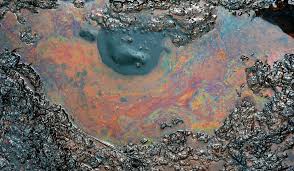
Soil pollution occurs when the presence of toxic chemicals, pollutants or contaminants in the soil is in high enough concentrations to be of risk to plants, wildlife, humans and of course, the soil itself. Arable land is turning to desert and becoming non-arable at ever-increasing rates, due largely in part to global warming and agricultural fertilizers and pesticides, lessening the hope that we can feed our booming population. Within 40 years, there will be over 2 billion more people, which is the equivalent of adding another China and India. Food production will have to increase at least 40% and most of that will have to be grown on the fertile soils that cover just 11% of the global land surface. However, there is little new land that can be brought into production and existing land is being lost and degraded. The United Nations Food and Agricultural Organization states that annually, 75 billion tons of soil, the equivalent of nearly 10 million hectares, which is about 25 million acres, of arable land is lost to erosion, water-logging and salination and another 20 million hectares is abandoned because its soil quality has been degraded. Contact with contaminated soil may be direct, from using parks, schools etc., or indirect by inhaling soil contaminants which have vaporized or through the consumption of plants or animals that have accumulated large amounts of soil pollutants, and may also result from secondary contamination of water supplies and from deposition of air contaminants
Main Causes of Soil Pollution
– Industrial wastes such as harmful gases and
chemicals, agricultural pesticides, fertilizers and insecticides are the most
common causes of soil pollution.
– Ignorance towards soil management and related
systems.
– Unfavorable and harmful irrigation practices.
– Improper
septic system and management and maintenance of the same.
– Leakages
from sanitary sewage.
– Acid
rain, when fumes released from industries mix with rain.
– Fuel
leakage from automobiles that get washed away due to rain and seep into nearby
soil.
– Unhealthy waste management techniques, which
are characterized by release of sewage into the large dumping grounds and
nearby streams or rivers.
Types of Soil Pollution
Land pollution from domestic and industrial solid waste
Electronic goods, broken furniture, junk papers, polythene bags, plastic cans, bottles, wastewater, toxic waste from the hospital etc. are examples of solid waste which pollute the soil. Most of this litter is non biodegradable. These wastes affect the soil structure by being blocked in it for long periods. Because these solid wastes do not decay easily, they lie on landfill sites for thousands of years and keep polluting the soil and the environment continuously. In addition to the soil, humans and animals living around these landfill sites are greatly harmed.
Household waste, industrial waste etc. contain residues of harmful toxic inorganic and organic chemicals. In these residues, radiation elements such as strontium, cadmium, uranium, ladders are found, which affect the vitality and fertility of the land. Fly ash is a major source of pollution surrounding the industrial area. There are chemicals or other types of waste in industries, which are dumped at some place. So much so that soil becomes polluted and trees and plants do not even grow in such a part.
Soil pollution by chemical substances
The use of chemical pesticides and fertilizers has increased for cultivating more crops and these pollutants are making the soil poisonous and in many places the soil has become dead due to excessive use of it.
Producers of fertilizers, insecticides, pesticides, pharmaceuticals produce a lot of solid and liquid waste. Due to leaks from pipes and gutters, pollutants also go into the soil and spread pollution In the chemical and nuclear power plants, a large amount of waste is released continuously and due to the absence of proper arrangements for their storage and disposal, these substances pollute the soil.
In commercial agriculture, insecticides are being used indiscriminately and inorganic chemical fertilizers are also being used day by day. The chemical fertilizers are polluting the environment and groundwater resources of phosphate, nitrogen and other organic chemical land. The most dangerous pollutants are bioactive chemicals, due to which the micro-organisms of climates and other soil are being destroyed resulting in decreased quality of soil. Toxic chemicals enter the diet chain, so that they reach the top consumer. Bioactive chemicals are also called Creeping Deaths. In the last 30 years, the use of organic chemicals has increased by more than 11 times. India alone is using 100,000 tonnes of bio-chemicals per annum.
Continuous deforestation
Trees absorb carbon dioxide from the air; provide oxygen for humans and other organisms. Apart from these, tree plantations are also helpful in prevention of soil pollution and erosion. Tree plantation rejuvenates the lost potency of soil. But unfortunately, we are continuously cutting trees on the millions of acres of land for the wood required for construction and the land required for the cultivation, besides mining work.
Effects os Soil Pollution on Human Lives
More than 70% of the soil pollutants are carcinogenic in nature, intensifying the chances of developing cancer in the humans exposed to the polluted soils. Long-term exposure to benzene and polychlorinated biphenyls (PCBs), for instance, is linked to the development of leukemia and liver cancer respectively. Soil pollutants can also cause skin diseases, muscular blockage, and central nervous system disorders.
Humans can be affected indirectly due to bioaccumulation or food poisoning. It happens when people consume crop produce that is grown in the polluted soils or when they consume animal products that eat plants from polluted soils. As a result, humans suffer from acute illnesses and may experience premature death.
Effects of Soil Pollution on the Environment
When soils are repeatedly contaminated and accumulate large amounts of poisonous materials and chemicals, the soil reaches a point where it cannot support plant life. Soil pollutants interfere with soil chemistry, biology, and structure. When these changes occur, beneficial soil bacteria, soil microorganisms, soil nutrients, and soil chemical processes begin to deteriorate to an extent where they diminish soil fertility. The ecological balance is lost completely. On this basis, the soil becomes unsuitable for crop survival or any other form of vegetation. If the plants die, then it means animals dependent on the plants will also die. This leads to migration of the larger animals and predators to other regions to find food supply, gradually leading to a reduction in wildlife and extinction. Soil pollution can as well change plant metabolism and lower crop productivity. Besides, when plants take up the soil contaminants, they pass them up the food chain, endangering the health of animals and humans.
Reference and citation ( External link included)
1. Everything Connects. Org (www.everythingconnects.org/soil-pollution.html)
2. Help Save Nature (www.helpsavenature.com/soil-pollution-causes-effects)
3. India Celebrating (www.indiacelebrating.com/environmental-issues/soil-pollution/)
Main Author of the article: Sujeet Kumar (prolific and versatile journalist with more than 10 years of experience in reporting and writing. Passionate about journalism and the other areas of communications, he has extensively written on a wide range of topics and issues for India’s leading publications. A Master in Mass Communication from GJU and Bachelor of Arts from University of Delhi, he has also handled desks, besides contributing to regular columns at various journalistic organisations)
4. Earth Eclipse (www.eartheclipse.com/pollution/devastating-effects-of-soil-pollution.html)
Main Author of the article: Sonia Madaan (Sonia is a High School Graduate and Runs the Writing and Editing Team for EarthEclipse.com. She is Extremely Passionate about Environment, Technology and Computing.)
