Air pollution is a mix of particles
and gases that can reach harmful concentrations both outside and indoors. Its
effects can range from higher disease risks to rising temperatures. Soot,
smoke, mold, pollen, methane, and carbon dioxide are a just few examples of
common pollutants. In the U.S., one measure of outdoor air pollution is the Air
Quality Index, or AQI which rates air conditions across the country based on
concentrations of five major pollutants: ground-level ozone, particle pollution
(or particulate matter), carbon monoxide, sulfur dioxide, and nitrogen dioxide.
Some of those also contribute to indoor air pollution, along with radon,
cigarette smoke, volatile organic compounds (VOCs), formaldehyde, asbestos, and
other substances.
Though many living things emit
carbon dioxide when they breathe, the gas is widely considered to be a
pollutant when associated with cars, planes, power plants, and other human
activities that involve the burning of fossil fuels such as gasoline and
natural gas. That’s because carbon dioxide is the most common of the greenhouse
gases, which trap heat in the atmosphere and contribute to climate change.
Humans have pumped enough carbon dioxide into the atmosphere over the past 150
years to raise its levels higher than they have been for hundreds of thousands
of years. Other greenhouse gases include methane —which comes from such sources
as landfills, the natural gas industry, and gas emitted by livestock—and
chlorofluorocarbons (CFCs), which were used in refrigerants and aerosol
propellants until they were banned in the late 1980s because of their
deteriorating effect on Earth’s ozone layer.
Another pollutant associated with
climate change is sulfur dioxide, a component of smog. Sulfur dioxide and
closely related chemicals are known primarily as a cause of acid rain. But they
also reflect light when released in the atmosphere, which keeps sunlight out
and creates a cooling effect. Volcanic eruptions can spew massive amounts of
sulfur dioxide into the atmosphere, sometimes causing cooling that lasts for years.
In fact, volcanoes used to be the main source of atmospheric sulfur dioxide;
today, people are. Airborne particles, depending on their chemical makeup, can
also have direct effects separate from climate change. They can change or
deplete nutrients in soil and waterways, harm forests and crops, and damage
cultural icons such as monuments and statues.
Main causes of air pollution
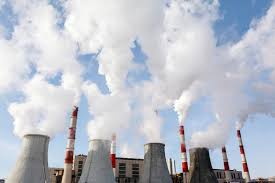
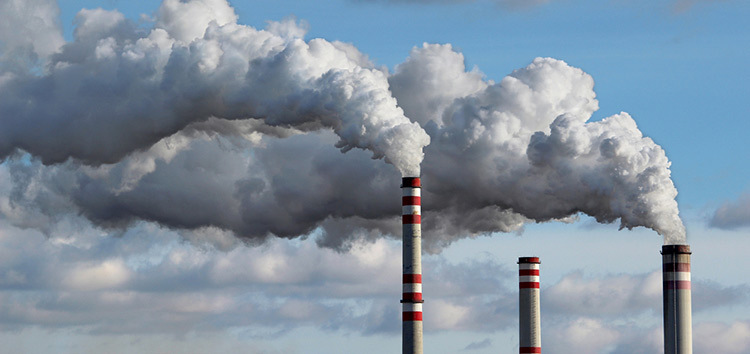
Emissions from different transport modes, the burning of fossil fuels,
industrial production, forest fires, aerosol use and radiation fare some of the
main causes of air pollution. Such sources of emissions liberate gases and
substances that are toxic for human beings, the most harmful of which are:
tropospheric ozone (O3), sulphur dioxide (SO2), nitrogen dioxide (NO2), benzo(a)pyrene
(BaP) and suspended particulate matter (PM).
How does air pollution affect our health? Our physical and psychological
wellbeing is affected differently by the kind of air pollution we are exposed
to. There are many organs and bodily functions that can be harmed, the
consequences including: Respiratory diseases Cardiovascular damage Fatigue,
headaches and anxiety Irritation of the eyes, nose and throat Damage to
reproductive organs Harm to the liver, spleen and blood Nervous system damage.
Photo Courtesy: creator-kodda,copyright- michal kodym
Many of our needs come from
factories and it also provides efficient and high quality products. But these
factories also bring bad effects to the lives of the majority especially to our
nature. In the passing years, where people brings changes in our society, the
balance of our eco system is bonign and the living organisms in the environment
start to extinct. Our ecological status is critically damaged because of the
harmful effect of the human pending activities. We soar to have a good air to
breathe, but it is still on the process of going back to the normal stage of
having a conditioned atmosphere. In our current condition in our society, one
of the significant environmental issue we face is the disadvantage of
industrialization in our community.
With the coming of the Industrial
Revolution, humans were able to advance further into the 21st century.
Technology developed rapidly, science became advanced and the manufacturing age
came into view. With all of these came one more effect, industrial pollution.
Earlier, industries were small factories that produced smoke as the main
pollutant. However, since the number of factories were limited and worked only
a certain number of hours a day, the levels of pollution did not grow
significantly. But when these factories became full-scale industries and
manufacturing units, the issue of industrial pollution started to take on more
importance.
Any form
of pollution that can trace its immediate source to industrial practices is
known as industrial pollution. Most of the pollution on the planet can be
traced back to industries of some kind. In fact, the issue of industrial
pollution has taken on grave importance for agencies trying to fight against environmental
degradation. Countries facing sudden and rapid growth such industries are
finding it to be a serious problem which has to be brought under control
immediately. Industrial pollution takes on many faces.
It contaminates many sources of drinking water,
releases unwanted toxins into the air and reduces the quality of soil all over
the world. Major environmental disasters have been caused due to industrial
mishaps, which have yet to be brought under control. Below are a few of the
causes of industrial pollution that have resulted in environmental degradation.
The ecosystem has been significantly
impacted because of pollution, and the consequence will affect many future
generations. Big industries and manufacturing plants use significant amounts of
water from nearby lakes, rivers, and oceans to operate. During the
manufacturing process, the water is exposed to chemicals, heavy metals, organic
sludge, and radioactive waste. That water is then dumped back into its original
water source. Not only does this process affect the plants, animals, and
insects in their habitat, farmers also use that water for irrigation, causing
harmful effects to the food we eat. Water pollution has caused many different
groundwater sources to be labeled as unsafe for people and animals alike. Once
it is rendered dangerous, the only use for that water is for it to be reused in
the plants that initially harmed it.
Industrial pollution continues to
cause significant damage to the earth and all of its inhabitants. It disrupts
natural habitats and rhythms, affecting wildlife and ecosystems. Animals are
becoming extinct, and habitats are being destroyed. Pollution is the culprit
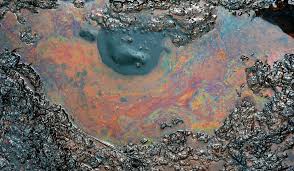
for oil spills and radioactive material leaks, and both of those types of
disasters take years to decades to clean up.
Reducing Industrial
Pollution
As the
harmful effects of industrial pollution increase, there are many agencies and
individuals who are working to reduce carbon footprints and live and work eco-friendlier.
Here are some of the different steps being taken to reduce and eliminate
pollution:
Development
of better technology for waste disposal.
Increased
recycling efforts.
Development
of cooling rooms or bins that allow industries to recycle the water they need
instead of pushing it back into the natural water source it came from.
Adopting
organic water and soil cleaning methods, like using microbes that feed off of
metal and waste.
Around the world, fishermen are using
explosives, often with dynamite, to maximize their catch. Called blast fishing
or dynamite fishing, the practice goes on in nations from Lebanon and Malaysia
to the Philippines, while some countries—Kenya and Mozambique, for
instance—have managed to stamp it out.
In Africa, Tanzania is the only
country where blast fishing still occurs on a large scale—and it’s happening at
unprecedented rates. “I would say probably for the last five years it’s at
least as bad or worse than it’s ever been,” said Jason Rubens, a marine conservationist
with World Wildlife Fund’s Tanzania branch.
In December, Wildlife Watch wrote about blast fishing after researchers
from the Wildlife Conservation Society released a report documenting the extent of the
illegal practice in the Indian Ocean off Tanzania. The researchers counted more
than 300 explosions in 30 days, from the Kenya-Tanzania border down to
Mozambique. That’s at least 10 blasts a day.
Dynamite fishing, otherwise known
“blast fishing,” is illegal in many parts of the world, but despite government
crackdowns, the practice is difficult for authorities to contain. Dynamite
fishing is common across Southeast Asia’s Coral Triangle, and Tanzania has seen
a resurgence of the practice as mining activity in the country has made
dynamite more readily available.
Blast fishing isn’t a new technique.
It was introduced to many countries by European armies. During World War I, it
was common for soldiers to use grenades catch a quick meal.
Dynamite fishing shatters fragile
coral colonies. Even the smallest piece of dynamite can blast a crater two to
three feet in diameter. The blast kills coral tissues, and the surrounding
rubble prevents adjacent coral colonies from recovery. If the shallow part of
the reef is decimated by repeated blasts, it’s impossible for the reef to
recover. Many bomb fishermen don’t understand that once the reefs are gone, the
fish will go too. It’s estimated that over 55 percent of the world’s reefs are
threatened by overfishing and/or destructive fishing.
TRCC indicates that animals other than
fish, including sea turtles, can be affected by the explosions from blast
fishing. To make matters worse, the AWI says that the explosives used in blast
fishing are often made with fertilizers and kerosene, which can act as
environmental pollutants when they are introduced into marine environments.
Endangered species will be affected in more ways than one by blast fishing, and
more and more species will become endangered as a result.
Long Term Business Effects
Sievert indicates that in the long
run, blast fishing damages fish yields by damaging the marine ecosystems that
sustain those yields in the first place. Fishers that rely on blast fishing may
be making a profit in the short-term, but they are ultimately disrupting their
long-term business interests. However, Sievert alludes to the difficulty of
convincing certain blast fishers that their fishing methods are ultimately
untenable, which is one of the challenges involved with ending blast fishing
for good.
Blast Fishing in the Future
The negative consequences of blast
fishing are increasingly well-documented, which may or may not make a
difference. The legal, economic, and political circumstances involving blast
fishing will not last forever, but it is possible that blast fishing and the
associated problems will persist for years to come.
According to the initial findings of a
survey of Philippine coral reefs conducted from 2015 to 2017 and published in
the Philippine Journal of Science, there are no longer any reefs in excellent
condition, and 90 percent were classified as either poor or fair. A 2017 report by the United Nations predicts
that all 29 World Heritage coral reefs, including one in the Philippines, will
die by 2100 unless carbon emissions are drastically reduced. “It is a bit dismal,” said Porfirio
Alino, a research professor specializing in corals at the Marine Science
Institute at the University of the Philippines in Diliman.
The effects of climate change —
warming waters and acidification that cause coral bleaching and push some reefs
to death — are difficult to address. But if the stresses caused by human
activity can be stopped, Dr. Alino explained, coral reefs have a better chance
of surviving.
In 2014, the European Union issued a
yellow card to the Philippines warning that it would be banned from exporting
to the bloc unless its fishing activities were better regulated. In response,
the Philippines produced a new fisheries code that called for stricter measures
against illegal methods and commercial overfishing. In 2015, the yellow card
was lifted.
“Our law is harsh, painful and swift,”
said Eduardo Gongona, director of the Philippine Bureau of Fisheries and
Aquatic Resources. “We have no pity on illegal fishers and illegal fishing.” Gloria Ramos, vice president of Oceana
Philippines, a nongovernmental organization for ocean conservation, agreed that
the new laws were strong but said they were not being properly implemented
because of the influence the commercial fishing industry has over government
officials. Despite signs that
Philippine fisheries are collapsing, Ms. Ramos said, “there is no sense of
urgency.”
Marine scientists know when widespread
overfishing of the seas began. And they have a pretty good idea when, if left
unaddressed, it will end.
In the mid-20th century, international
efforts to increase the availability and affordability of protein-rich foods
led to concerted government efforts to increase fishing capacity. Favorable
policies, loans, and subsidies spawned a rapid rise of big industrial fishing
operations, which quickly supplanted local boatmen as the world’s source of
seafood.
These large, profit-seeking commercial
fleets were extremely aggressive, scouring the world’s oceans and developing
ever more sophisticated methods and technologies for finding, extracting, and
processing their target species. Consumers soon grew accustomed to having
access to a wide selection of fish species at affordable prices.
But by 1989, when about 90 million
tons (metric tons) of catch were taken from the ocean, the industry had hit its
high-water mark, and yields have declined or stagnated ever since. Fisheries
for the most sought-after species, like orange roughy, Chilean sea bass, and
bluefin tuna have collapsed. In 2003, a scientific report estimated that
industrial fishing had reduced the number of large ocean fish to just 10
percent of their pre-industrial population.
overfishing occurs when we take too
many fish from an area, and the remaining fish are unable to reproduce and
replenish their populations to a healthy level.
Typically, fish species that are large
and have long life spans are more vulnerable to overfishing than smaller fish
with shorter life spans. Age of reproduction also plays a role.
For example, catching a species that
reaches sexual maturity at an older age before it reproduces (e.g. B.C. rockfish may be 15 to 20 years old before they reproduce) has a
twofold negative effect on the population–removing the individual fish, and all
the potential offspring it could have had. Species that produce large numbers
of offspring are also potentially less vulnerable than those that have just a
few per year (e.g. porbeagle sharks, a bycatch species in Canadian fisheries,
typically have just four pupsper year).
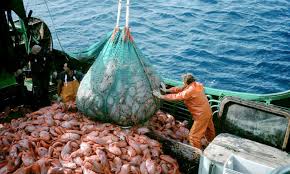
According to the United Nations, over
70 percent of the world’s fisheries are either ‘fully exploited’, ‘over exploited’
or significantly depleted’. Some species have already been fished to commercial
extinction, and more are on the verge of extinction. Regulation of fishing
vessels is universally inadequate. More often than not, the fishing industry is
given access to fish stocks before the longer term impact of their fishing
practices is understood.
Overfishing is causing profound
changes in our oceans, perhaps changing them forever. Over 90 per cent of large
predatory fish, such as cod and tuna, have already been caught. Fishermen have
responded by changing to new target species, often renaming them to make them
sound more appealing to consumers. Hence the Patagonian Toothfish was
reinvented as Chilean Seabass, while the wonderfully named Slimehead
metamorphosed into the Orange Roughy. But as the larger species get fished out,
fishermen are increasingly forced to look further down the food chain.
Overfishing doesn’t only threaten the
fish species we target for food. Other species – such as marine mammals and
seabirds – are caught incidentally in fishing gear and killed. This is known in
the trade by the innocuous sounding word ‘bycatch‘.
Our
world is facing a crisis, when it comes to a liveable climate. There are changes in the flow
and cycle of life in
the world where we live, and it also has an effect on the living organisms
, surrounding it. People
are bombarded by the questions “why is the weather is getting worse?”, “why the glaciers from the south is gradually melting?”, and why Catastrophies damaged homes and other
imfrastrastractures vastly?”. Our
current situation in commiting an environmental issues is weak, you totally
don’t need any explanations and other portrations on it how would strive us
people, simply reflect on what you see on your environment. Do you see
changes?, do you see innovations yet?, you as an independent citizen is also
working to save our nature in the name of the climate?. Then why you don’t take
any actions to save the nature, why you don’t make any changes to sustain a
liveable environment
Scientists
stated that having a
high confidence global temperature will continue to rise for decades to come,
largely due to greenhouse gases produced by human activities. The
Intergovernmental Panel on Climate Change (IPCC), which includes more than
1,300 scientists from the United States and other countries, forecasts a
temperature rise of 2.5 to 10 degrees Fahrenheit over the next century. According to the IPCC, the extent of
climate change effects on individual regions will vary over time and with the
ability of different societal and environmental systems to mitigate or adapt to
change. The IPCC predicts
that increases in global mean temperature of less than 1.8 to 5.4 degrees
Fahrenheit (1 to 3 degrees Celsius) above 1990 levels will produce beneficial
impacts in some regions and harmful ones in others. Net annual costs will
increase over time as global temperatures increase. “Taken as a whole,” the IPCC
states, “the range of published evidence indicates that the net damage
costs of climate change are likely to be significant and to increase over
time.”
Droughts
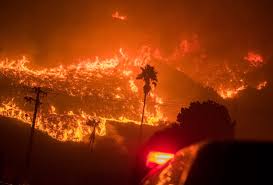
in the Southwest and heat waves (periods of abnormally hot weather lasting days
to weeks) everywhere are projected to become more intense, and cold waves less
intense everywhere. Summer
temperatures are projected to continue rising, and a reduction of soil
moisture, which exacerbates heat waves, is projected for much of the western
and central U.S. in summer. By the end of this century, what have been
once-in-20-year extreme heat days (one-day events) are projected to occur every
two or three years over most of the nation.
If we do not make solutions and give
recommendations, there is no even a change. Many studies have been done, there
are many ways to minimize it, but it does not work much instead it is beneficial
to other sectors. Can you call it innovation? if no changes occur. The global
temparature is rising upon a year, can you sustain a liveable environment? Can
you sustain a liveable climate?. Let us grow as a community let’s make a change
for the sake of the environment, we can make a change if we have a discipline.
Let us start to make a change.
References and citations
IPCC 2007, Summary
for Policymakers, in Climate Change 2007: Impacts, Adaptation and
Vulnerability. Contribution of Working Group II to the Fourth Assessment Report
of the Intergovernmental Panel on Climate Change, Cambridge University
Press, Cambridge, UK, p. 17.
IPCC, 2013: Summary
for Policymakers. In: Climate Change 2013: The Physical Science Basis.
Contribution of Working Group I to the Fifth Assessment Report of the
Intergovernmental Panel on Climate Change[Stocker, T.F., D. Qin, G.-K.
Plattner, M. Tignor, S.K. Allen, J. Boschung, A. Nauels, Y. Xia, V. Bex and
P.M. Midgley (eds.)]. Cambridge University Press, Cambridge, United Kingdom and
New York, NY, USA.
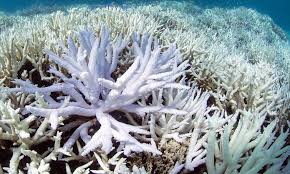
Coral bleaching occurs through the
loss of the symbiotic algae found in living coral tissue. These zooxanthellae
are responsible for giving healthy coral a brownish or greenish coloration.
When these algae are lost, the white coloration of the underlying skeleton is
visible through the translucent coral tissue. Partial bleaching may occur,
resulting in only partial loss of zooxanthellae from the colony, as well as
total bleaching when the entire coral colony appears bleach white.
This coral disease was first reported
in the late 1800’s, however since 1980 extensive outbreaks affecting numerous
species have been documented. The affects of bleaching vary greatly among
species of corals as well as between individuals within the same species.
Bleaching is believed to be a response to stressful environmental conditions.
It is attributed to increases in ultraviolet radiation, extreme temperatures
and salinities, and high levels of turbidity and sedimentation. Loss of
zooxanthellae affects growth rates and overall health of the coral host.
Most corals have a narrow temperature
tolerance. Coral bleaching occurs when corals become stressed, most often when
ocean water gets too warm. Corals will “eject” the symbiotic algae (called
zooxanthellae) that live inside them. When corals lose their algae, they not
only lose their color (turning white) but also their built-in food source.
Scientists have declared three global coral bleaching events: 1998, 2010 and
2014-2017. This most recent event was the longest and most widespread bleaching
event ever recorded, killing as much as two-thirds of the corals in the
northern part of Australia’s Great Barrier
Reef. Although corals
can survive a bleaching event, they will eventually die if they are under
repeated stress. Outbreaks of coral disease typically follow bleaching events
since stressed corals are more susceptible to infection. A recent special
report from the Intergovernmental Panel on Climate
Change (IPCC)
states that with an additional half-degree of warming above today’s levels,
tropical coral reefs will face “very frequent mass mortalities,” although coral
adaptation is possible. If temperatures rise an additional degree to 2 degrees
above pre-industrial levels, coral reefs are in danger of vanishing entirely.
Warmer water temperatures can result
in coral bleaching. When water is too warm, corals will expel the algae
(zooxanthellae) living in their tissues causing the coral to turn completely
white. This is called coral bleaching. When a coral bleaches, it is not dead.
Corals can survive a bleaching event, but they are under more stress and are
subject to mortality.
In 2005, the U.S. lost half of its
coral reefs in the Caribbean in one year due to a massive bleaching event. The
warm waters centered around the northern Antilles near the Virgin Islands and
Puerto Rico expanded southward. Comparison of satellite data from the previous
20 years confirmed that thermal stress from the 2005 event was greater than the
previous 20 years combined.
Not all bleaching events are due to
warm water.
In January 2010, cold water
temperatures in the Florida Keys caused a coral bleaching event that resulted
in some coral death. Water temperatures dropped 12.06 degrees Fahrenheit lower
than the typical temperatures observed at this time of year. Researchers will
evaluate if this cold-stress event will make corals more susceptible to disease
in the same way that warmer waters impact corals.
Reference and Citation: National
Ocean Service National Oceanic and
Atmospheric Administration Department of
Commerce
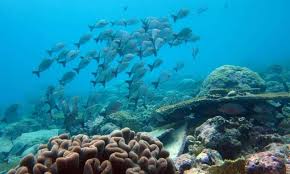
The
marine environment supplies many ecosystems that support biodiversity
in coastal and open ocean habitats. Marine ecosystems provide many
resources that are beneficial to society and a significant proportion of the
world’s population depends intimately on the oceans and coasts for survival and
well-being. The pressure on marine ecosystems and the resources they provide is
increasing as threats introduced by land-use change, overfishing, climate change,
the invasion of non-native species and other impacts of anthropogenic
activities affect biodiversity. As environmental conditions change, species
need to evolve and adapt to these changing conditions. Healthy marine
ecosystems are important for society since they provide services including food
security, feed for livestock , raw materials for medicines, building materials
from coral rock and sand, and natural defenses against hazards such as coastal
erosion and inundation.
Ocean
observations that monitor biodiversity and measure species distribution and
density in marine ecosystems enable policy makers to respond to, protect and
manage ecosystems that are under threat. Marine ecosystems are integrally
linked to global climate and monitoring and studying these ecosystems allows
scientists to better predict the impact of climate change on biodiversity and
human populations.
Marine Biodiversity is a
peer-reviewed international journal devoted to all aspects of biodiversity
research on marine ecosystems. The journal is a relaunch of the well-known
“Senckenbergiana maritima” and covers research at gene, species and
ecosystem level that focuses on describing the actors (genes and species), the
patterns (gradients and distributions) and understanding of the processes
responsible for the regulation and maintenance of diversity in marine systems.
Also included are the study of species interactions (symbioses, parasitism,
etc.) and the role of species in structuring marine ecosystem functioning.
Biodiversity can be defined in several ways, but it generally refers to
the number of species types in a particular ecosystem. Marine biodiversity
therefore refers to the species richness and abundance in the world’s oceans
and seas. And since the world is covered with approximately 70% water, the
amount of life in the oceans is enormous.
Marine biodiversity is important to protect because today, just as
always, humans are dependent on the Earth’s resources for their livelihood,
health and well being In Belize, efforts have been made to conserve the
incredible biodiversity that exists in the country. In addition to seasonal
closures and catch limits on some fishery products, many national parks and
marine reserves have been established in an effort to protect these natural areas.
Having diverse ecosystems makes organisms and systems more resilient to
changes. Ecosystems that are more resistant are able to then continue to
provide the following benefits:
Protection
of water resources (e.g. Mangrove forests trap silt)
Nutrient
Storage and Cycling
Pollution
Breakdown and Absorption
Contributes
to Climactic Stability
Recovery
from unpredictable events (e.g. hurricanes)
Food
Medicinal
Resources
Recreation
Major threats to marine and coastal
ecosystems include coastal development, global climate change, invasive
species, overfishing and pollution. There is growing concern that a large
number of marine species may be under threat of extinction due to the
convergence of these threats. Overfishing is considered to be the greatest threat
to marine wildlife and habitats. Corals are a necessary habitat for large
numbers of species of fish and invertebrates that utilize the various
ecosystems in the ocean. Over 27% of corals, however, have been listed as
threatened in the most recent assessment of the world’s marine species in the
IUCN Red List. In the same study, 25% of marine mammal species were found to be
threatened. Marine mammals include cetaceans (dolphins, porpoises
and whales), manatees, pinnipeds (seals, sea lions, and walruses), polar
bears and sea otters. Major threats to these species include boat strikes,
entanglements in fishing gear, and environmental pollution. And over 27% of the
world’s seabirds are threatened by factors that include death in
long-line fisheries and gill-nets, invasive species, and oil spills.
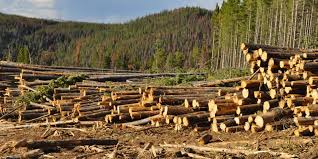
One of the main cause of deforestation is
agriculture (poorly planned infrastructure is emerging as a big threat too) and
the main cause of forest degradation is illegal logging. We’re losing 18.7
million acres of forests annually, equivalent to 27 soccer fields every
minute.
Deforestation is a particular concern
in tropical rain forests because these forests are home to much of the world’s
biodiversity. In the
Amazon around 17% of the forest has been lost in the last 50 years, mostly due
to forest conversion for cattle ranching. Deforestation in this region is
particularly rampant near more populated areas, roads and rivers, but even
remote areas have been encroached upon when valuable mahogany, gold, and oil
are discovered.
Farming, grazing of livestock, mining,
and drilling combined account for more than half of all deforestation. Forestry practices, wildfires and,
in small part, urbanization account for the rest. In Malaysia and Indonesia,
forests are cut down to make way for producing palm oil, which can be found in everything from shampoo to saltines. In the Amazon, cattle ranching and
farms particularly soy
plantations are key culprits.
Logging operations, which provide the world’s wood and paper products, also
fell countless trees each year. Loggers, some of them acting illegally, also build roads to access more and
more remote forests which
leads to further deforestation. Forests are also cut as a result of growing
urban sprawl as land is developed for homes.
Not all deforestation is intentional.
Some is caused by a combination of human and natural factors like wildfires and overgrazing, which may
prevent the growth of young trees.
Deforestation is considered to be one
of the contributing factors to global climate change. According to Michael
Daley, an associate professor of environmental science at Lasell College in
Newton, Massachusetts, the No. 1 problem caused by deforestation is the impact
on the global carbon cycle. Gas molecules that absorb thermal infrared
radiation are called greenhouse gases. If greenhouse gases are in large
enough quantity, they can force climate change, according to Daley. While
oxygen (O2) is the second most abundant gas in our atmosphere, it
does not absorb thermal infrared radiation, as greenhouse gases do. Carbon
dioxide (CO2) is the most prevalent greenhouse gas. CO2 accounts
for about 82.2 percent of all U.S. greenhouse gas, according to the Environmental Protection Agency (EPA). Trees can help, though.
About 300 billion tons of carbon, 40 times the annual greenhouse gas emissions
from fossil fuels, is stored in trees, according to Greenpeace.
The
deforestation of trees not only lessens the amount of carbon stored, it also
releases carbon dioxide into the air. This is because when trees die, they
release the stored carbon. According to the 2010 Global Forest Resources
Assessment,
deforestation releases nearly a billion tons of carbon into the atmosphere per
year, though the numbers are not as high as the ones recorded in the previous
decade. Deforestation is the second largest anthropogenic (human-caused) source
of carbon dioxide to the atmosphere (after
fossil fuel combustion), ranging between 6 percent and 17 percent, according to
a study published in 2009 in Nature.
Carbon
isn’t the only greenhouse gas that is affected by deforestation. Water vapor is
also considered a greenhouse gas. “The impact of deforestation on the
exchange of water vapor and carbon dioxide between the atmosphere and the
terrestrial land surface is the biggest concern with regard to the climate
system,” said Daley. Changes in their atmospheric concentration will have
a direct effect on climate.
Deforestation
has decreased global vapor flows from land by 4 percent, according to an
article published by the journal National Academy of Sciences. Even this slight change in vapor
flows can disrupt natural weather patterns and change current climate
models.
Soil pollution
occurs when the presence of toxic chemicals, pollutants or contaminants in the
soil is in high enough concentrations to be of risk to plants, wildlife, humans
and of course, the soil itself. Arable land is turning to desert and becoming
non-arable at ever-increasing rates, due largely in part to global warming and
agricultural fertilizers and pesticides, lessening the hope that we can feed
our booming population. Within 40 years, there will be over 2 billion more
people, which is the equivalent of adding another China and India. Food
production will have to increase at least 40% and most of that will have to be
grown on the fertile soils that cover just 11% of the global land surface.
However, there is little new land that can be brought into production and
existing land is being lost and degraded. The United Nations Food and
Agricultural Organization states that annually, 75 billion tons of soil, the
equivalent of nearly 10 million hectares, which is about 25 million acres, of
arable land is lost to erosion, water-logging and salination and another 20
million hectares is abandoned because its soil quality has been degraded.
Contact with contaminated soil may be direct, from using parks, schools etc., or
indirect by inhaling soil contaminants which have vaporized or through the
consumption of plants or animals that have accumulated large amounts of soil
pollutants, and may also result from secondary contamination of water supplies
and from deposition of air contaminants
Main Causes of Soil Pollution
– Industrial wastes such as harmful gases and
chemicals, agricultural pesticides, fertilizers and insecticides are the most
common causes of soil pollution.
– Ignorance towards soil management and related
systems.
– Unfavorable and harmful irrigation practices.
– Improper
septic system and management and maintenance of the same.
– Leakages
from sanitary sewage.
– Acid
rain, when fumes released from industries mix with rain.
– Fuel
leakage from automobiles that get washed away due to rain and seep into nearby
soil.
– Unhealthy waste management techniques, which
are characterized by release of sewage into the large dumping grounds and
nearby streams or rivers.
Types of Soil Pollution
Land pollution from domestic
and industrial solid waste
Electronic
goods, broken furniture, junk papers, polythene bags, plastic cans, bottles,
wastewater, toxic waste from the hospital etc. are examples of solid waste
which pollute the soil. Most of this litter is non biodegradable. These wastes
affect the soil structure by being blocked in it for long periods. Because
these solid wastes do not decay easily, they lie on landfill sites for
thousands of years and keep polluting the soil and the environment
continuously. In addition to the soil, humans and animals living around these
landfill sites are greatly harmed.
Household
waste, industrial waste etc. contain residues of harmful toxic inorganic and
organic chemicals. In these residues, radiation elements such as strontium,
cadmium, uranium, ladders are found, which affect the vitality and fertility of
the land. Fly ash is a major source of pollution surrounding the industrial
area. There are chemicals or other
types of waste in industries, which are dumped at some place. So much so that
soil becomes polluted and trees and plants do not even grow in such a part.
Soil pollution by chemical
substances
The use
of chemical pesticides and fertilizers has increased for cultivating more crops
and these pollutants are making the soil poisonous and in many places the soil
has become dead due to excessive use of it.
Producers
of fertilizers, insecticides, pesticides, pharmaceuticals produce a lot of
solid and liquid waste. Due to leaks from pipes and gutters, pollutants also go
into the soil and spread pollution In the
chemical and nuclear power plants, a large amount of waste is released
continuously and due to the absence of proper arrangements for their storage
and disposal, these substances pollute the soil.
In
commercial agriculture, insecticides are being used indiscriminately and
inorganic chemical fertilizers are also being used day by day. The chemical
fertilizers are polluting the environment and groundwater resources of
phosphate, nitrogen and other organic chemical land. The most dangerous
pollutants are bioactive chemicals, due to which the micro-organisms of
climates and other soil are being destroyed resulting in decreased quality of
soil. Toxic chemicals enter the diet chain, so that they reach the top
consumer. Bioactive chemicals are also called Creeping Deaths. In the last 30
years, the use of organic chemicals has increased by more than 11 times. India
alone is using 100,000 tonnes of bio-chemicals per annum.
Continuous deforestation
Trees
absorb carbon dioxide from the air; provide oxygen for humans and other
organisms. Apart from these, tree plantations are also helpful in prevention of
soil pollution and erosion. Tree plantation rejuvenates the lost potency of
soil. But unfortunately, we are continuously cutting trees on the millions of
acres of land for the wood required for construction and the land required for
the cultivation, besides mining work.
Effects os Soil Pollution on
Human Lives
More than 70% of the
soil pollutants are carcinogenic in nature, intensifying the chances of
developing cancer in the humans exposed to the polluted soils. Long-term
exposure to benzene and polychlorinated biphenyls (PCBs), for instance, is
linked to the development of leukemia and liver cancer respectively. Soil
pollutants can also cause skin diseases, muscular blockage, and central nervous
system disorders.
Humans can be affected indirectly due to
bioaccumulation or food poisoning. It happens when people consume crop produce
that is grown in the polluted soils or when they consume animal products that
eat plants from polluted soils. As a result, humans suffer from acute illnesses
and may experience premature death.
Effects of Soil Pollution on the Environment
When soils are repeatedly contaminated and accumulate large amounts of
poisonous materials and chemicals, the soil reaches a point where it cannot
support plant life. Soil pollutants interfere with soil chemistry, biology, and
structure. When these changes occur, beneficial soil bacteria, soil
microorganisms, soil nutrients, and soil chemical processes begin to
deteriorate to an extent where they diminish soil fertility. The ecological
balance is lost completely. On this basis, the soil becomes unsuitable for crop
survival or any other form of vegetation. If the plants die, then it means
animals dependent on the plants will also die. This leads to migration of the
larger animals and predators to other regions to find food supply, gradually
leading to a reduction in wildlife and extinction. Soil pollution can as well
change plant metabolism and lower crop productivity. Besides, when plants take
up the soil contaminants, they pass them up the food chain, endangering the
health of animals and humans.
Main Author of
the article: Sujeet Kumar (prolific and versatile journalist with more than 10 years of
experience in reporting and writing. Passionate about journalism and the other
areas of communications, he has extensively written on a wide range of topics
and issues for India’s leading publications. A Master in Mass Communication
from GJU and Bachelor of Arts from University of Delhi, he has also handled
desks, besides contributing to regular columns at various journalistic
organisations)
Main Author of
the article: Sonia Madaan (Sonia is a High School Graduate and Runs the Writing and
Editing Team for EarthEclipse.com. She is Extremely Passionate about
Environment, Technology and Computing.)