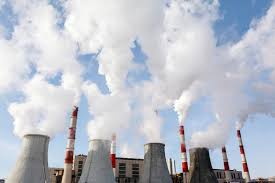
Air pollution is a mix of particles and gases that can reach harmful concentrations both outside and indoors. Its effects can range from higher disease risks to rising temperatures. Soot, smoke, mold, pollen, methane, and carbon dioxide are a just few examples of common pollutants. In the U.S., one measure of outdoor air pollution is the Air Quality Index, or AQI which rates air conditions across the country based on concentrations of five major pollutants: ground-level ozone, particle pollution (or particulate matter), carbon monoxide, sulfur dioxide, and nitrogen dioxide. Some of those also contribute to indoor air pollution, along with radon, cigarette smoke, volatile organic compounds (VOCs), formaldehyde, asbestos, and other substances.
Though many living things emit carbon dioxide when they breathe, the gas is widely considered to be a pollutant when associated with cars, planes, power plants, and other human activities that involve the burning of fossil fuels such as gasoline and natural gas. That’s because carbon dioxide is the most common of the greenhouse gases, which trap heat in the atmosphere and contribute to climate change. Humans have pumped enough carbon dioxide into the atmosphere over the past 150 years to raise its levels higher than they have been for hundreds of thousands of years. Other greenhouse gases include methane —which comes from such sources as landfills, the natural gas industry, and gas emitted by livestock—and chlorofluorocarbons (CFCs), which were used in refrigerants and aerosol propellants until they were banned in the late 1980s because of their deteriorating effect on Earth’s ozone layer.
Another pollutant associated with climate change is sulfur dioxide, a component of smog. Sulfur dioxide and closely related chemicals are known primarily as a cause of acid rain. But they also reflect light when released in the atmosphere, which keeps sunlight out and creates a cooling effect. Volcanic eruptions can spew massive amounts of sulfur dioxide into the atmosphere, sometimes causing cooling that lasts for years. In fact, volcanoes used to be the main source of atmospheric sulfur dioxide; today, people are. Airborne particles, depending on their chemical makeup, can also have direct effects separate from climate change. They can change or deplete nutrients in soil and waterways, harm forests and crops, and damage cultural icons such as monuments and statues.
Main causes of air pollution Emissions from different transport modes, the burning of fossil fuels, industrial production, forest fires, aerosol use and radiation fare some of the main causes of air pollution. Such sources of emissions liberate gases and substances that are toxic for human beings, the most harmful of which are: tropospheric ozone (O3), sulphur dioxide (SO2), nitrogen dioxide (NO2), benzo(a)pyrene (BaP) and suspended particulate matter (PM). How does air pollution affect our health? Our physical and psychological wellbeing is affected differently by the kind of air pollution we are exposed to. There are many organs and bodily functions that can be harmed, the consequences including: Respiratory diseases Cardiovascular damage Fatigue, headaches and anxiety Irritation of the eyes, nose and throat Damage to reproductive organs Harm to the liver, spleen and blood Nervous system damage.
Reference and Citations (External Link Included)
1. National Geographic (www.nationalgeographic.com/environment/global-warming/pollution/)
2.Sustainability for all ( https://www.activesustainability.com/environment/effects-air-pollution-human-health/)